

Category

Insurance

Category

Third-party insurance is mandatory in India, but it only pays for damage, injury, or death caused to someone else. Own damage cover protects your own car against accidents, theft, fire, floods, and similar losses.So if you are choosing between the two, you are really asking whether minimum legal cover is enough for your real driving risk. For many people, car insurance should do more than satisfy the law.

Third-party cover keeps you legal; own-damage cover keeps your repair bill from becoming your problem.

A new hatchback with a loan, daily office use, and street parking usually needs more protection than an older car used rarely. The right choice depends on:

  • car age
  • likely repair cost
  • how often you drive
  • loan status
  • budget

That is the practical lens to use before you buy or renew.

Start here: the simple difference between third-party and own-damage cover

Third-party cover pays for damage or injury caused to another person, vehicle, or property, while own damage cover pays for loss to your own car, subject to policy terms.Here’s the plain-English split:

  • Third-party liability cover: protects you from legal and financial liability if you hit someone’s car, injure a person, or damage property.
  • Own damage cover: helps pay to repair or replace your car after an accident, theft, fire, riot, flood, or similar insured event.

In India, third-party insurance is the legal minimum for driving on public roads under Motor Vehicles Act/IRDAI rules [placeholder reference]. Own damage cover is optional, though it may come bundled in comprehensive car insurance or be required by your lender for a financed car.For example, if your hatchback scratches another car, third-party cover responds. If your own bumper, headlamp, and bonnet also get damaged, that part needs own damage cover.Legal compliance and real financial protection are two different things. That difference becomes even clearer when you look at what a policy should actually help you pay for.

What car insurance should actually protect you from

Good car insurance should protect your savings, not just help you meet a legal rule. The real test is simple: if your car hits someone, gets damaged, or needs costly repairs after an accident, how much will you pay from your own pocket?Check these parts before you choose:

  • third-party liability cover for injury, death, or property damage caused to others
  • own damage cover for your car after accident, theft, fire, flood, or vandalism
  • personal accident cover for the owner-driver
  • IDV, because it affects payout if the car is stolen or totally damaged
  • claim settlement support, since a cheap policy feels expensive when claims get delayed

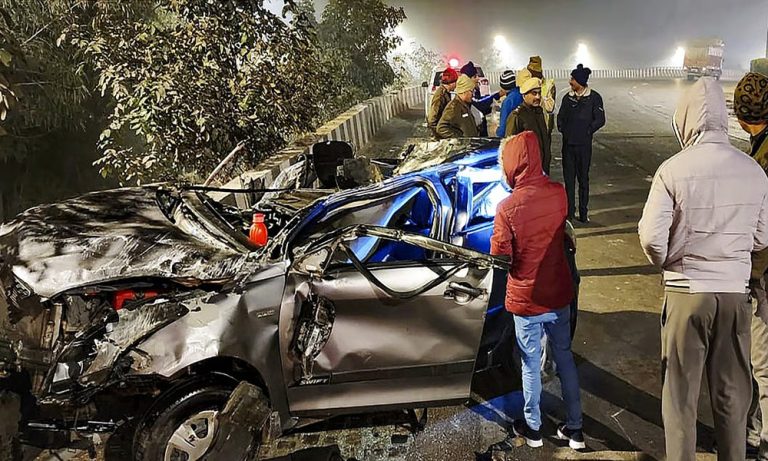
A small crash can still hurt your budget. For example, a modern hatchback with bumper, grille, paint, and sensor work can easily leave you with a ₹25,000 to ₹60,000 garage bill.

The right policy reduces surprise expenses, not just paperwork risk.

That is why cover quality matters as much as price. Once you understand that, the next step is choosing the cover that fits your car and driving reality.

Who should choose which: A practical india-focused decision guide

The right choice depends on your car’s value, usage, and risk exposure, not just the cheapest premium. In India, the gap between third-party liability cover and wider protection becomes obvious when repair bills, theft risk, and daily driving conditions enter the picture.Use this quick guide:

  • New, financed, frequently driven car: Broader cover
  • Street parking, high traffic, higher repair risk: Own damage cover or comprehensive car insurance
  • Older, low-value car with manageable repair costs: More cost-conscious choice may work

Match the cover to what you could realistically afford to lose.

A few examples make this easier:

  • A Bengaluru driver with a 2-year-old financed hatchback, daily traffic use, and open parking usually needs stronger protection.
  • A 10-year-old car used occasionally in a smaller town may justify a more cost-conscious choice.

If the car’s market value is already low, paying much extra for broad cover may not always make sense. Check age, parking, usage, and budget before deciding.That said, many people still hesitate because they believe careful driving alone makes minimum cover enough. It usually does not.

But wait: is third-party insurance enough if you drive carefully?

No, careful driving alone does not make third-party-only cover enough for most people. You can avoid speeding and still face theft, flooding, a parked-car dent, a hit-and-run, or damage caused by another driver’s mistake.Safe driving reduces risk, but it does not remove costs that fall on you when your own car is damaged. That is where own damage cover helps, especially if your car is newer, financed, or expensive to repair.A fair exception exists for older, low-value cars. If the market value is low, repair costs are manageable, and your budget is tight, third-party liability cover may still be a practical choice.That is also why renewal season matters. Your answer may change over time as your car ages and your risk profile shifts.

At car insurance renewal, don’t just repeat last year’s policy

car insurance renewal is the right time to check if last year’s cover still matches your car and your risk. Many owners just auto-renew, but a policy that made sense two years ago may be weak or overpriced today.Your decision can change with vehicle age, claim history, city traffic, parking conditions, and the car’s current IDV. For example, a three-year-old hatchback parked on a busy street may still need own damage cover, while an older low-value car kept in secure parking may not justify the extra premium.

Compare protection first, premium second.

Use this quick check:

  • Is your car still costly to repair?
  • Has your usage increased?
  • Do you need zero dep, roadside help, or engine protection?
  • Is the insured value realistic?

Review cover, not just policy renewal price. Once you do that, the final decision becomes much simpler.

What to do next: pick the cover that matches your car, budget, and risk

Choose third-party if you only want legal compliance; choose own damage or comprehensive car insurance if you also want protection for your own car.Use this quick path:

  1. Check your car’s age and value. A newer, higher-IDV car usually deserves stronger cover.
  2. Review how and where you drive and park. Daily city traffic and open parking raise risk.
  3. Compare premium with likely repair cost. One bumper, headlamp, or flood repair can exceed the savings from a cheaper policy.

A five-year-old hatchback parked on the street may need a different choice than a new SUV in gated parking.Before purchase or policy renewal, check inclusions, exclusions, deductibles, and claim settlement steps.

Conclusion

The short answer is this: third-party cover keeps you legal, but own-damage cover protects your car and your wallet. In India, third-party liability cover is the minimum required by law, but it will not pay for repairs to your own vehicle after an accident, theft, flood, or fire.That is why the right choice depends on what you drive and how much risk you can carry yourself. A newer, higher-value car usually needs stronger protection, while an older car with low market value may justify a leaner policy if repair costs feel manageable.

Buy for likely loss, not just for lower premium.

Before your car insurance renewal, check:

  • car age and IDV
  • daily usage and parking conditions
  • budget for out-of-pocket repairs

Choose based on real exposure, not price alone.

Households with both pets and domestic helpers often assume their existing policies will cover any accident at home. However, when a domestic helper is injured by a pet, the question of which insurance applies is not always straightforward. Knowing how domestic helper insurance and pet insurance respond in these situations helps avoid costly disputes and uncovered claims.

The Role of Domestic Helper Insurance in Pet-Related Injuries

Domestic helper insurance is mandatory in the city-state and is primarily designed to protect employers against medical and liability costs arising from a helper’s injury or illness. Once a helper is bitten, scratched, or injured while performing their duties, domestic helper insurance is usually the first policy examined. Most policies cover medical expenses, hospitalisation, and in adverse cases, compensation for permanent disability or death, regardless of whether the injury was caused by household conditions or pets.

However, coverage depends on whether the injury occurred during the course of employment. Domestic helper insurance generally applies if a helper is injured while feeding, walking, cleaning after, or otherwise caring for a pet as part of their assigned duties. The insurer’s focus is on the employment relationship, not the source of the injury.

When Pet Insurance May Come into Play

Pet insurance is designed to cover veterinary expenses and, in some policies, third-party liability if a pet causes injury to another person. Once a helper is injured by a pet, pet insurance may apply only if the policy includes liability coverage for injuries caused by the animal. Not all pet insurance plans offer this, as many focus solely on the pet’s medical treatment.

Where liability coverage exists, pet insurance may help offset claims made against the pet owner, especially if the injury is severe or leads to legal action. This route is more likely if the injury occurs outside of standard helper duties, such as during personal interaction with the pet after working hours.

Determining Which Insurance Takes Priority

Domestic helper insurance, in most cases, takes priority because it is specifically intended to address injuries sustained by helpers in the household. Pet insurance, if applicable, acts as secondary coverage or a supplementary layer, particularly for liability-related claims. Insurers will look closely at the circumstances, including time, activity, and whether the helper was following assigned responsibilities at the time of injury.

Disputes may arise if the injury happens during non-work activities, such as playing with the pet during rest time. Insurers, in such scenarios, may argue that the incident falls outside the scope of employment, reducing the applicability of domestic helper insurance and shifting attention to pet insurance or even personal liability.

Common Gaps Homeowners Overlook

One of the most common gaps is assuming pet insurance automatically covers injuries to domestic helpers. Many policies do not. Another oversight is inadequate medical coverage limits under domestic helper insurance, which may be insufficient if the injury requires prolonged treatment. Employers should also be aware that repeated pet-related incidents could raise questions about workplace safety at home, potentially complicating claims.

Clear communication of duties, proper pet training, and safe handling practices reduce both risk and claim complexity. Insurance does not replace responsible household management.

How to Reduce Risk and Coverage Conflicts

Households with pets should review both domestic helper insurance and pet insurance policies carefully. Look for adequate medical coverage, clear liability clauses, and exclusions related to animal-related injuries. Assigning pet care duties formally and documenting them helps establish whether an injury occurred during work, which simplifies claims.

Speaking with insurers or brokers before an incident occurs allows employers to align coverage with real household risks rather than assumptions.

Conclusion

Once a domestic helper is injured by a pet, domestic helper insurance usually applies first, especially if the injury occurs during work-related duties. Pet insurance may only play a supporting role if liability coverage is included. Knowing how both policies interact ensures households are protected, compliant, and prepared for unexpected incidents.

Visit Income Insurance and let us align your household coverage with real-world risks.
Life insurance can play a critical role in financial planning for individuals, families, and businesses in San Antonio. By visiting https://sogoinsurance.com/san-antonio/life-insurance/, one may explore various coverage options tailored for the region. In broad terms, life insurance provides a death benefit to designated beneficiaries, but how that benefit may be deployed is diverse and strategic.

Income Replacement

One of the most fundamental roles of life insurance is to replace lost income. If the primary earner in a household passes away, the death benefit can serve as a substitute for future wages. In San Antonio, where the cost of living, schooling, and other family expenses continue, having a policy large enough to support ongoing household needs—utilities, groceries, transportation, and more—can prevent surviving family members from being forced to dramatically alter their standard of living.

Mortgage or Debt Payoff

Homes, vehicles, credit cards, and other liabilities often accompany everyday life. In the event of death, outstanding debts can become burdensome for heirs. A life insurance payout can be structured to pay off a mortgage, car loans, credit card balances, or personal debts. In San Antonio’s real estate market, safeguarding the home from foreclosure or forced sale by ensuring the mortgage is covered can be a major priority for many insureds and their families.

Education and Retirement Funding

Parents commonly aim for their children to attend college or universities, while spouses may count on savings or investments to sustain their retirement years. Life insurance can be designed to allocate part of the death benefit (or, in some policies, the cash-value buildup) toward education or supplemental retirement income. In San Antonio, where educational costs and living expenses may rise over time, this aspect of coverage helps preserve long-term plans despite the untimely loss of a provider.

Final Expenses

Even with significant planning, life brings inevitable end-of-life costs: funeral and burial, medical bills, probate fees, and other administrative expenses. A portion of life insurance can be reserved expressly for final expenses, relieving loved ones from having to pay out of pocket. This ensures dignity and reduces financial stress during a grieving period.

Business Protection: Key Person and Buy-Sell Arrangements

Life insurance is not just for families. In San Antonio’s local business community, it can safeguard continuity and stability. Two common uses in that context:

    • Key Person Insurance: A company may purchase life insurance on a critical leader, specialist, or founder whose absence would cause financial disruption. Upon that individual’s death, the death benefit cushions the business — helping recruit a replacement, cover lost revenue, or stabilize cash flow.
    • Buy-Sell Agreements: In partnerships or small enterprises, an insurance policy can fund a buy-sell agreement so that when one owner dies, the surviving parties or the business itself has the funds to buy out the deceased’s interest. This avoids conflict or forced sales and ensures a smoother ownership transition.

Conclusion

While no life insurance policy is one-size-fits-all, the versatility of the death benefit makes it a powerful tool in San Antonio’s financial landscape. Whether covering household income, debt obligations, educational goals, funeral costs, or business risks, a well-designed policy can provide peace of mind and stability. For those seeking tailored options in the region, exploring coverage through sogoinsurance.com may offer a useful starting point.

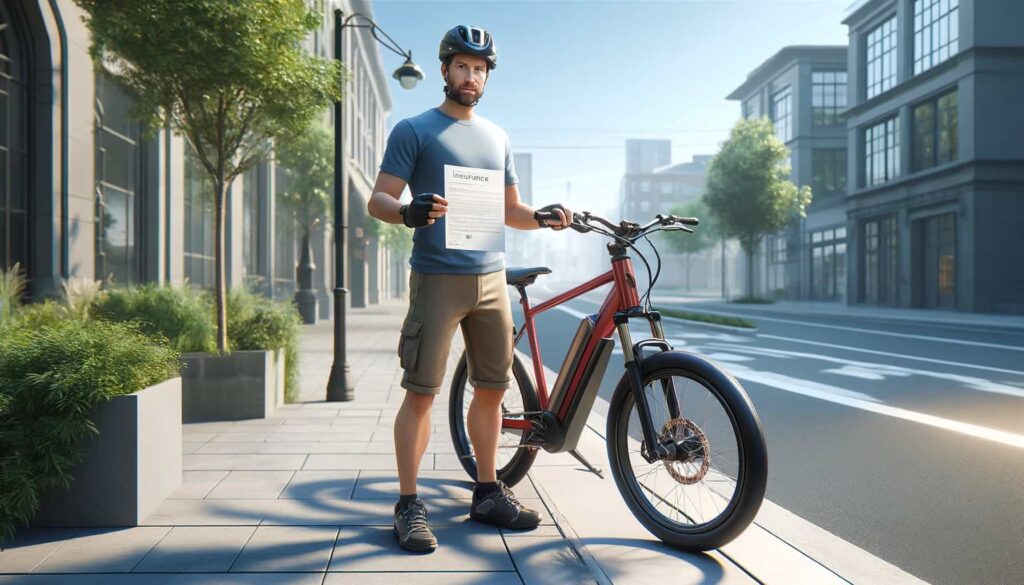
If your electric bicycle sustains significant damage, having insurance can help you replace it or pay the expense of expensive repairs. Electric bikes, with their advanced components and technology, can be expensive to fix. Without proper insurance, you might find yourself paying out-of-pocket for repairs that could have been easily covered. 

Here are five ways electric bicycle insurance can save you from these unexpected expenses and protect your investment.

Coverage for accidental damage 

Accidents happen, and when they do, the damage to your e-bike can be costly. Whether it is a fall, a collision, or an unexpected event, repairs can quickly add up, especially if the battery or motor is involved. Electric bicycle insurance typically covers accidental damage, ensuring that you do not have to pay out-of-pocket for repairs. This coverage can make a significant difference in your financial situation, allowing you to get your bike back in working order without the stress of high repair bills.

Protection against vandalism 

Vandalism is an unfortunate reality, and electric bikes can be easy targets. If your e-bike is damaged due to vandalism, repair costs can be substantial, particularly if critical components are affected. E-bike insurance often includes coverage for vandalism, which means that the cost of repairs or even replacement parts can be covered by your policy. This protection saves you from the financial burden of fixing damage caused by someone else’s malicious actions.

Replacement cost coverage 

In cases where the damage to your e-bike is so severe that repairs are not feasible, replacement cost coverage can be a financial lifesaver. E-bike insurance can provide you with the funds to replace your bike entirely if it is damaged beyond repair. This is particularly important for high-end electric bikes, where the cost of a new bike can be significant. Instead of facing a total loss, your insurance can help you get a new bike without the full financial burden.

Battery and motor protection 

The battery and motor are among the most expensive parts of an electric bike. If either of these components is damaged, the repair or replacement costs can be very high. E-bike insurance often includes specific coverage for these critical components, ensuring that you do not have to pay for costly repairs out-of-pocket. This coverage is essential for maintaining the functionality and performance of your e-bike, especially if you rely on it for daily commuting.

Coverage for transportation and towing 

In some cases, your e-bike may become inoperable due to damage, leaving you stranded. E-bike insurance can include coverage for transportation and towing, ensuring that your bike is safely transported to a repair shop. This additional coverage saves you from paying extra for emergency transportation services and ensures that your bike gets the attention it needs without further inconvenience. 

Final thoughts 

E-bike insurance is a smart investment that can save you from paying out-of-pocket for costly repairs or even the replacement of your bike if the damage is extensive. Electric bicycle insurance offers comprehensive protection for your valuable investment. By securing the right policy, you can ride with confidence, knowing that you are financially protected against unexpected events. 


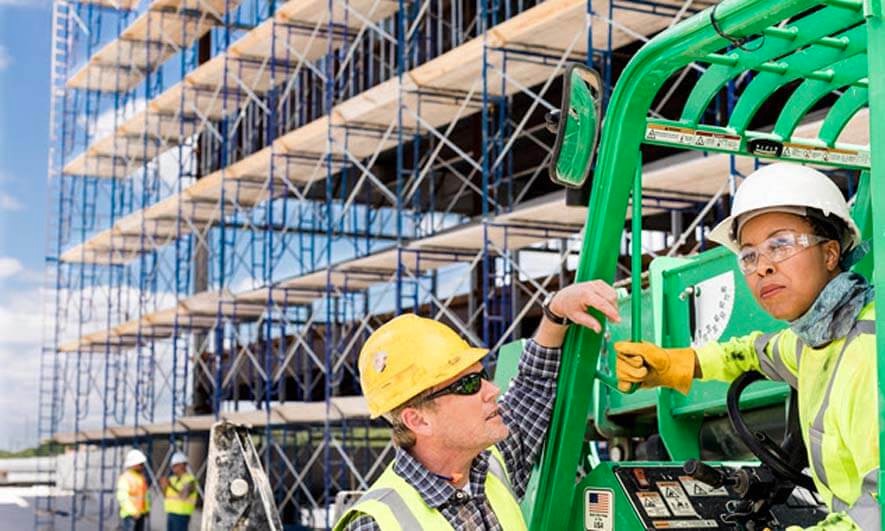
Builder’s Risk Insurance is a specialized insurance policy designed to protect construction projects from potential risks and losses. It provides coverage for property damage and financial risks during the construction phase. This type of insurance typically covers the project site, structures, and construction materials, ensuring that any damages caused by theft, fire, vandalism, or natural disasters are accounted for.

It is crucial for construction professionals and property owners to grasp the purpose of Builder’s Risk Insurance to effectively manage risks. By understanding the coverage and benefits provided by this insurance policy, stakeholders can make informed decisions and ensure that their construction projects are adequately protected.

Protecting Construction Projects

Safeguarding Against Property Damage

Builders Risk Insurance serves a crucial purpose in safeguarding construction projects against property damage. It provides coverage for construction materials and equipment, ensuring that any losses or damages are financially protected. Whether it’s theft, vandalism, fire, or natural disasters, this insurance policy helps mitigate the risk associated with property damage during the construction process. By having adequate coverage, contractors and property owners can rest assured knowing that their investment is protected against unforeseen events.

Mitigating Financial Risks

In the event of property damage or loss, this insurance policy provides reimbursement for repair or replacement costs, helping to minimize the financial burden on the parties involved. Additionally, if a covered incident causes delays in the construction timeline, Builder’s Risk Insurance can also cover the additional expenses incurred due to those delays, ensuring that the project stays on track without incurring substantial financial losses.

Parties Involved and Coverage Limits

Contractors, Subcontractors, and Property Owners

Builder’s Risk Insurance involves multiple parties, including contractors, subcontractors, and property owners. It is crucial for all parties involved in a construction project to understand their roles and responsibilities regarding insurance coverage. Contractors and subcontractors are typically responsible for obtaining Builder’s Risk Insurance to protect the project, while property owners may also have a vested interest in securing coverage. Clear communication and collaboration between these parties ensure that everyone is adequately protected in the event of property damage or loss during the construction process.

Determining the Appropriate Coverage Limits

When it comes to Builder’s Risk Insurance, determining the appropriate coverage limits is essential. The coverage limit refers to the maximum amount an insurance policy will pay out in the event of a covered loss. To establish the appropriate coverage limits, several factors need to be considered. These include assessing the total value of the project, taking into account the cost of construction materials, labor, and other associated expenses. Additionally, potential risks specific to the project, such as location, weather conditions, and the nature of the construction work, should be evaluated. By accurately determining the coverage limits, all parties involved can ensure that they are adequately protected against potential financial losses during the construction project.

Claims Process and Policy Considerations

Reporting and Filing Claims

In the event of property damage or loss during the construction project, it’s essential to notify your insurance provider as soon as possible. This allows them to initiate the claims process and assess the situation promptly. Provide all necessary documentation and evidence to support your claim, such as photographs, estimates, and invoices. By acting swiftly and providing accurate information, you can help expedite the claims process and ensure a smoother resolution.

Key Policy Considerations

Understanding the key policy considerations is vital when obtaining Builder’s Risk Insurance. Take note of any exclusions or limitations in your policy that may affect your coverage. Some policies may exclude certain types of losses or have limits on coverage amounts. Reviewing these details thoroughly ensures that you are aware of potential gaps in coverage and can take necessary precautions. Additionally, it’s worth exploring any additional coverages that may be available to enhance your policy. These may include coverage for soft costs, delay in completion, or professional fees. Assessing your specific project needs and discussing them with your insurance provider can help tailor the policy to suit your requirements.

By providing coverage for property damage and financial risks during the construction phase, this specialized insurance policy ensures that construction materials, equipment, and structures are safeguarded against theft, fire, vandalism, and natural disasters. Understanding the purpose of Builder’s Risk Insurance enables construction professionals and property owners to effectively manage risks and make informed decisions. It minimizes potential financial setbacks and provides peace of mind throughout the construction process. Securing the appropriate coverage limits and being aware of the claims process and key policy considerations, stakeholders can ensure their projects are adequately protected and mitigate the impact of unforeseen events. With Builder’s Risk Insurance, construction projects can proceed with confidence, knowing that their investment is safeguarded against potential risks and losses.

Publisher’s Details:

Avner Gat Public Adjusters

1026 S Broadway #613, Los Angeles, CA 90015
(818) 917-5256
info@avnergat.com
avnergat.com

One important aspect of protecting yourself against potential fire-related losses is ensuring you have the right fire insurance coverage. For more information about this topic, read: Why You Should Revisit Your Fire Insurance Coverage this Summer. If you’re in need of expert assistance with insurance claims, Avner Gat, Inc. is known as the Number 1 Public Adjuster Santa Monica, CA, providing the best services for policyholders.

If you are a disabled driver, it is important to know about your car insurance options. There are many different types of policies available, and each one has its own set of benefits and drawbacks. In this guide, we will discuss the different types of car insurance available to disabled drivers, as well as the pros and cons of each policy.

What is Disabilities Insurance?

Disability insurance is a type of insurance that helps to cover the costs of medical care and other expenses if you are unable to work due to a disability. This type of coverage also reimburses the costs of temporary transportation if your disability-adapted vehicle is under repair following an accident. Though insurance providers cannot discriminate against applicants with disabilities by charging exorbitant premiums, it is still possible that your disability may require additional coverage. This may include mobility car insurance coverage, special equipment insurance, or even roadside assistance.

If you are thinking about getting auto insurance, be sure to ask a professional company for insurance in Decatur, GA, to determine what type and amount of coverage you will need. This is because each driver’s needs are different. You want to be sure that you are fully protected in the event of an accident and that you have the coverage that you need in order to be able to continue living your life as normally as possible.

Types of Coverage for Disabled Drivers and Passengers

  1. Collision and Comprehensive Coverage: These are the two types of car insurance that are required in most states. Collision coverage helps to pay for the repairs to your vehicle if it is damaged in an accident. In contrast, comprehensive coverage helps to pay for the repairs if your vehicle is damaged by a non-accident event such as a fire, theft, or natural disaster.
  2. Personal Injury Protection and Medical Payments Coverage: This type of coverage usually covers the costs of medical care and other expenses for you and your passengers in case you are involved in an accident. Personal injury protection may also cover lost wages and other expenses.
  3. Uninsured and underinsured motorist: This type of coverage protects you if you are involved in an accident with a driver who does not carry liability insurance or does not have enough coverage to pay for the damages they caused. Moreover, it will also cover your medical bills, pain and suffering, and funeral expenses.

To Conclude

Getting the right type of car insurance is important, but it can be tricky to figure out what you need. If you are considering a policy, be sure to speak with a professional company for personal auto insurance in Decatur, GA, to determine what type and amount of coverage you will need. With the right policy in place, you can have peace of mind knowing that you and your passengers are protected in case of an accident.