
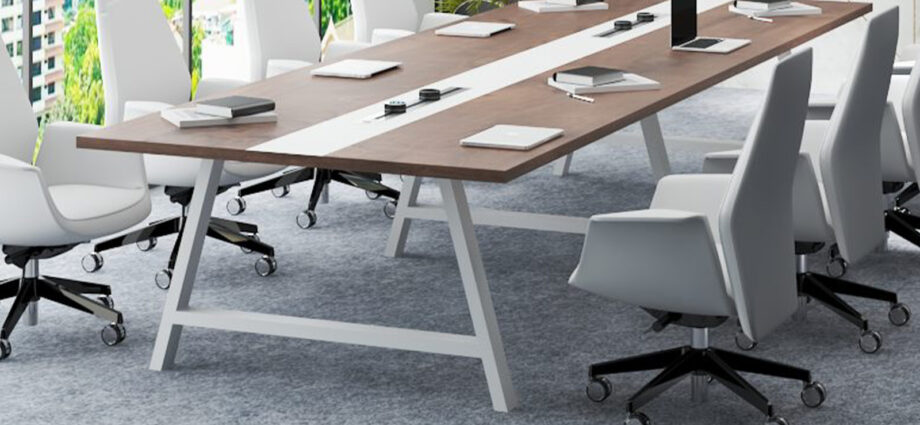
In any workplace, office chairs and desks are among the most frequently used pieces of furniture—often relied upon for eight or more hours a day. Yet, despite their daily wear and tear, they’re rarely given the same attention as tech or machinery when it comes to maintenance. With a few simple habits and preventative strategies, you can significantly extend the lifespan of your office furniture, saving money and supporting a more sustainable workplace.
If you’re investing in high-quality commercial furniture (like the range offered by Adaptive Furniture), it’s only smart to ensure your purchases stay in peak condition for as long as possible.
Regular Cleaning is Essential
Dust, grime, and spilled coffee can take a serious toll on furniture over time. Make it a routine to clean office chairs and desks weekly. Use a damp microfibre cloth for desks, and vacuum or wipe down upholstery and chair bases. For mesh or leather chairs, always follow the manufacturer’s care instructions to avoid premature wear or discolouration.
Use Desk Mats and Chair Mats
A simple way to reduce surface damage is by using mats. Desk mats prevent scratches from pens, laptops, and coffee mugs, while chair mats protect flooring and reduce strain on chair wheels. Mats also make it easier for chairs to glide, reducing pressure on the castors and frame.
Adjust Furniture Properly
Office furniture that isn’t set up correctly can suffer unnecessary strain. For chairs, ensure the height, lumbar support, and armrests are properly adjusted for each user. Incorrect posture not only leads to discomfort but can place uneven stress on chair mechanisms and frames. Similarly, avoid placing heavy items on desk edges or overloading drawers, as this can warp the surface or damage rails.
Check and Tighten Moving Parts
Over time, screws and bolts on chairs and desks can loosen due to daily use. Set a calendar reminder every 3-6 months to check for wobbly arms, unsteady legs, or creaky joints. A quick tighten with the correct tools can prevent long-term damage and accidents.
Avoid Misuse
Chairs aren’t ladders, and desks aren’t storage units for your gym bag. Educate staff on using furniture as intended. Standing or leaning heavily on a desk’s edge or rocking back too far in a task chair may seem harmless in the moment but often results in broken components or structural fatigue.
Store Spare Furniture Properly
If you rotate or store furniture between seasons or uses, ensure it’s stored in a dry, clean environment away from direct sunlight. Stack chairs and tables with padding in between to avoid scratches and stress points, and cover them with breathable material to prevent dust buildup and mildew.
Choose Quality Materials from the Start
Durability begins with good design and craftsmanship. Investing in well-built, commercial-grade furniture from reputable providers helps ensure that your office setup is built to withstand daily use. These pieces are typically designed with long-term performance in mind and offer better support and adjustability compared to lower-cost alternatives.
Replace Parts—Not Whole Units
Before you toss out a chair with a worn-out wheel or a desk with a jammed drawer, consider whether parts can be repaired or replaced. Many office furniture suppliers provide replacement components, and a small fix can extend functionality by years.
Ready to get started?
With just a little effort and awareness, your office furniture can continue supporting productivity and comfort well beyond the average lifespan. These tips not only help keep your workspace looking sharp—they also reduce waste and protect your bottom line. Whether you’re outfitting a new office or maintaining an existing one, a proactive approach to care is key to getting the most out of your investment.