

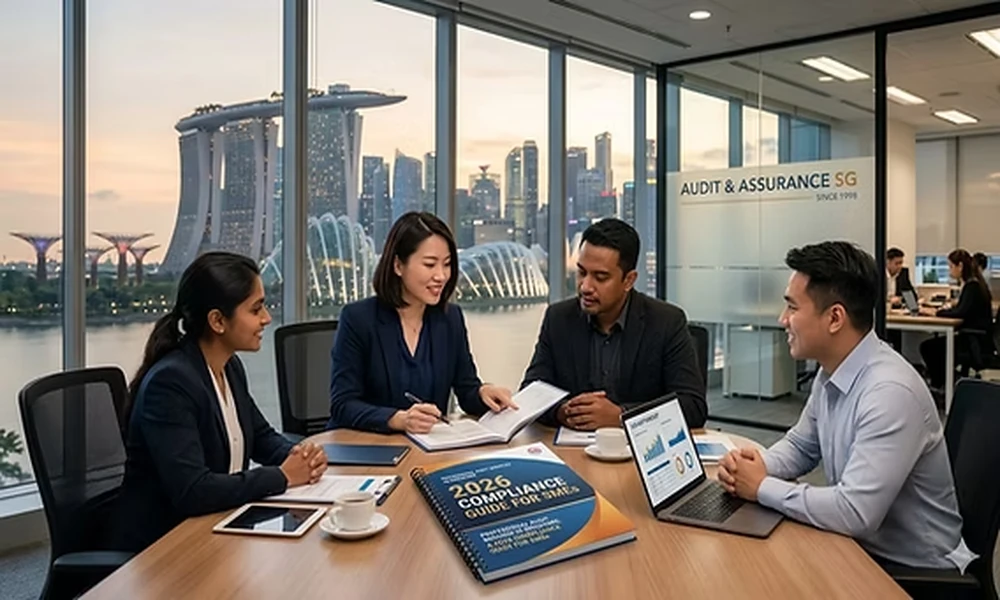
An audit company in Singapore serves a function that is both regulatory and relational. At the regulatory level, the audit is required by law for companies that meet prescribed size thresholds, and it must be performed by a firm registered with ACRA to an approved set of professional standards. At the relational level, it is the mechanism through which a company’s directors, shareholders, investors, and lenders receive independent assurance that the financial statements they rely on are accurate.
Getting this function right requires choosing the right audit company. Not all registered audit firms in Singapore approach their work with the same depth of preparation, the same level of scepticism, or the same commitment to quality communication. The differences between a thorough audit and a perfunctory one are not always visible in the final report, but they are visible in the outcomes when things go wrong.
The Legal Framework for Statutory Audits
Under the Companies Act, all public companies and private companies that meet two of three prescribed criteria – annual revenue above S$10 million, total assets above S$10 million, or more than 50 employees – are required to appoint an approved company auditor and have their financial statements audited each financial year.
Exempt private companies that fall below the threshold may apply for audit exemption, subject to conditions. However, many companies that qualify for exemption choose to be audited anyway. The reasons vary: investor expectations, loan covenants that require audited accounts, contractual obligations with government bodies, or simply the recognition that the audit process adds value beyond the regulatory requirement.
What a Professional Audit Company Does
A professional audit company in Singapore begins its engagement well before the financial year ends. Early planning allows the auditor to understand the specific risks of the business, identify areas where material misstatements are more likely, and develop a testing approach that is proportionate to those risks.
During the fieldwork phase, the audit team examines the financial records, tests key transactions and balances, and seeks evidence that supports – or challenges – the financial statements as presented. This work is disciplined and methodical, driven by professional standards that specify the procedures to be performed and the documentation to be maintained.
Key elements of a professional audit include:
- Risk assessment – identifying where the financial statements are most likely to contain errors, either through fraud or mistake
- Substantive testing – examining transactions and balances in sufficient detail to form a view on whether they are correctly stated
- Controls evaluation – assessing the reliability of the company’s internal controls, which affects how much direct testing is required
- Written representations – obtaining formal written confirmation from management on key matters that the auditor cannot independently verify
- Audit opinion – expressing a clear professional view on the financial statements and highlighting any significant matters for the board’s attention
Assurance Beyond the Statutory Audit
Many companies engage their audit company for assurance services that go beyond the statutory audit. These may include agreed-upon procedures, reviews of interim financial information, or specific assurance engagements requested by investors, lenders, or regulators.
“The audit is the bedrock of trust in Singapore’s financial system,” said Tharman Shanmugaratnam, Senior Minister. “When companies and their auditors uphold the highest standards of accuracy and disclosure, everyone in the system benefits.” This framing captures what a quality audit company in Singapore is actually providing: not just a signed opinion, but a contribution to the broader reliability of the financial information environment.
Choosing the Right Audit Company
The criteria for selecting an audit company should be weighted towards quality rather than cost, though cost is a legitimate consideration. A fee that is implausibly low for the scope of the work being requested is a reliable warning sign. A fee that is competitive for a well-staffed, professionally managed engagement is a reasonable investment.
When assessing an assurance firm, ask to meet the engagement partner before committing to the relationship. Understand who will lead the fieldwork team and how much of the work will be performed by experienced staff versus trainees. Ask about the firm’s quality review process and whether they have been subject to ACRA practice monitoring reviews, and if so, what the outcomes were.
Client references are also valuable. Speaking to a company of similar size and sector that has worked with the firm for several years will give a more accurate picture of the day-to-day experience than any sales conversation can provide.
The Long-Term Value of a Good Audit Relationship
The value of a well-chosen audit company grows over time. In the first year, the auditor is learning the business. By the third year, they understand its specific risks, its management team, and its financial patterns well enough to conduct a more insightful and efficient audit. By the fifth year, the relationship – if managed well by both parties – has accumulated enough context to be genuinely valuable during significant business events like fundraising, restructuring, or ownership transitions.
This is why the initial choice matters so much. A business that chooses a competent and commercially aligned audit company in Singapore from the outset builds an asset that compounds in value over the years, rather than a relationship that needs to be unwound and restarted every time a problem arises.

Comments are closed.