

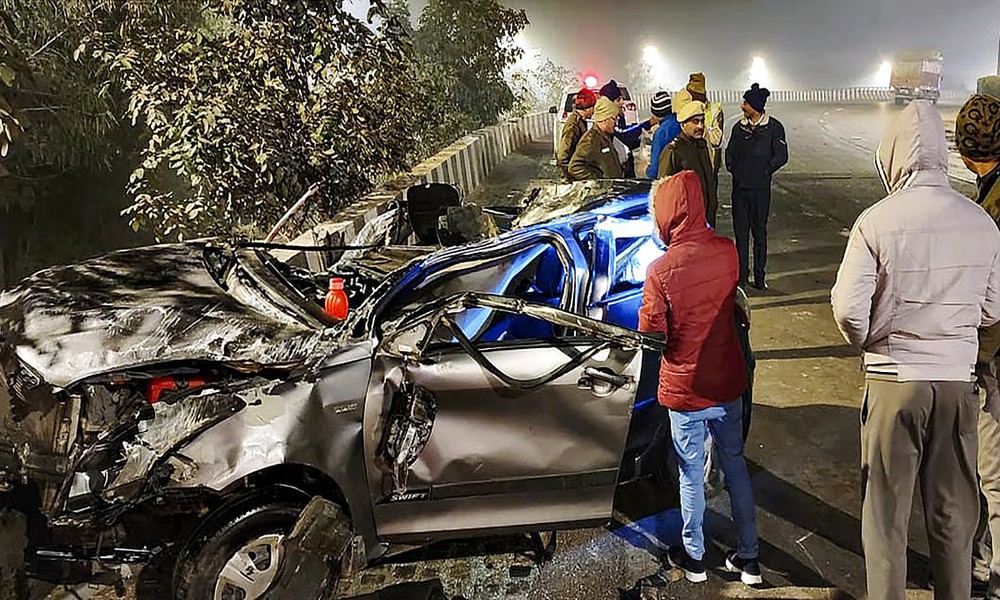
Third-party insurance is mandatory in India, but it only pays for damage, injury, or death caused to someone else. Own damage cover protects your own car against accidents, theft, fire, floods, and similar losses.So if you are choosing between the two, you are really asking whether minimum legal cover is enough for your real driving risk. For many people, car insurance should do more than satisfy the law.
Third-party cover keeps you legal; own-damage cover keeps your repair bill from becoming your problem.
A new hatchback with a loan, daily office use, and street parking usually needs more protection than an older car used rarely. The right choice depends on:
- car age
- likely repair cost
- how often you drive
- loan status
- budget
That is the practical lens to use before you buy or renew.
Start here: the simple difference between third-party and own-damage cover
Third-party cover pays for damage or injury caused to another person, vehicle, or property, while own damage cover pays for loss to your own car, subject to policy terms.Here’s the plain-English split:
- Third-party liability cover: protects you from legal and financial liability if you hit someone’s car, injure a person, or damage property.
- Own damage cover: helps pay to repair or replace your car after an accident, theft, fire, riot, flood, or similar insured event.
In India, third-party insurance is the legal minimum for driving on public roads under Motor Vehicles Act/IRDAI rules [placeholder reference]. Own damage cover is optional, though it may come bundled in comprehensive car insurance or be required by your lender for a financed car.For example, if your hatchback scratches another car, third-party cover responds. If your own bumper, headlamp, and bonnet also get damaged, that part needs own damage cover.Legal compliance and real financial protection are two different things. That difference becomes even clearer when you look at what a policy should actually help you pay for.
What car insurance should actually protect you from
Good car insurance should protect your savings, not just help you meet a legal rule. The real test is simple: if your car hits someone, gets damaged, or needs costly repairs after an accident, how much will you pay from your own pocket?Check these parts before you choose:
- third-party liability cover for injury, death, or property damage caused to others
- own damage cover for your car after accident, theft, fire, flood, or vandalism
- personal accident cover for the owner-driver
- IDV, because it affects payout if the car is stolen or totally damaged
- claim settlement support, since a cheap policy feels expensive when claims get delayed
A small crash can still hurt your budget. For example, a modern hatchback with bumper, grille, paint, and sensor work can easily leave you with a ₹25,000 to ₹60,000 garage bill.
The right policy reduces surprise expenses, not just paperwork risk.
That is why cover quality matters as much as price. Once you understand that, the next step is choosing the cover that fits your car and driving reality.
Who should choose which: A practical india-focused decision guide
The right choice depends on your car’s value, usage, and risk exposure, not just the cheapest premium. In India, the gap between third-party liability cover and wider protection becomes obvious when repair bills, theft risk, and daily driving conditions enter the picture.Use this quick guide:
- New, financed, frequently driven car: Broader cover
- Street parking, high traffic, higher repair risk: Own damage cover or comprehensive car insurance
- Older, low-value car with manageable repair costs: More cost-conscious choice may work
Match the cover to what you could realistically afford to lose.
A few examples make this easier:
- A Bengaluru driver with a 2-year-old financed hatchback, daily traffic use, and open parking usually needs stronger protection.
- A 10-year-old car used occasionally in a smaller town may justify a more cost-conscious choice.
If the car’s market value is already low, paying much extra for broad cover may not always make sense. Check age, parking, usage, and budget before deciding.That said, many people still hesitate because they believe careful driving alone makes minimum cover enough. It usually does not.
But wait: is third-party insurance enough if you drive carefully?
No, careful driving alone does not make third-party-only cover enough for most people. You can avoid speeding and still face theft, flooding, a parked-car dent, a hit-and-run, or damage caused by another driver’s mistake.Safe driving reduces risk, but it does not remove costs that fall on you when your own car is damaged. That is where own damage cover helps, especially if your car is newer, financed, or expensive to repair.A fair exception exists for older, low-value cars. If the market value is low, repair costs are manageable, and your budget is tight, third-party liability cover may still be a practical choice.That is also why renewal season matters. Your answer may change over time as your car ages and your risk profile shifts.
At car insurance renewal, don’t just repeat last year’s policy
car insurance renewal is the right time to check if last year’s cover still matches your car and your risk. Many owners just auto-renew, but a policy that made sense two years ago may be weak or overpriced today.Your decision can change with vehicle age, claim history, city traffic, parking conditions, and the car’s current IDV. For example, a three-year-old hatchback parked on a busy street may still need own damage cover, while an older low-value car kept in secure parking may not justify the extra premium.
Compare protection first, premium second.
Use this quick check:
- Is your car still costly to repair?
- Has your usage increased?
- Do you need zero dep, roadside help, or engine protection?
- Is the insured value realistic?
Review cover, not just policy renewal price. Once you do that, the final decision becomes much simpler.
What to do next: pick the cover that matches your car, budget, and risk
Choose third-party if you only want legal compliance; choose own damage or comprehensive car insurance if you also want protection for your own car.Use this quick path:
- Check your car’s age and value. A newer, higher-IDV car usually deserves stronger cover.
- Review how and where you drive and park. Daily city traffic and open parking raise risk.
- Compare premium with likely repair cost. One bumper, headlamp, or flood repair can exceed the savings from a cheaper policy.
A five-year-old hatchback parked on the street may need a different choice than a new SUV in gated parking.Before purchase or policy renewal, check inclusions, exclusions, deductibles, and claim settlement steps.
Conclusion
The short answer is this: third-party cover keeps you legal, but own-damage cover protects your car and your wallet. In India, third-party liability cover is the minimum required by law, but it will not pay for repairs to your own vehicle after an accident, theft, flood, or fire.That is why the right choice depends on what you drive and how much risk you can carry yourself. A newer, higher-value car usually needs stronger protection, while an older car with low market value may justify a leaner policy if repair costs feel manageable.
Buy for likely loss, not just for lower premium.
Before your car insurance renewal, check:
- car age and IDV
- daily usage and parking conditions
- budget for out-of-pocket repairs
Choose based on real exposure, not price alone.

Comments are closed.